Hawaiʻi by season: weather, shores & what to plan
The best shore for your day depends on the swell, wind and local conditions—not just the month on your ticket.
Seasonal sources reviewed September 27, 2026. This article describes typical patterns; it is not today’s forecast.
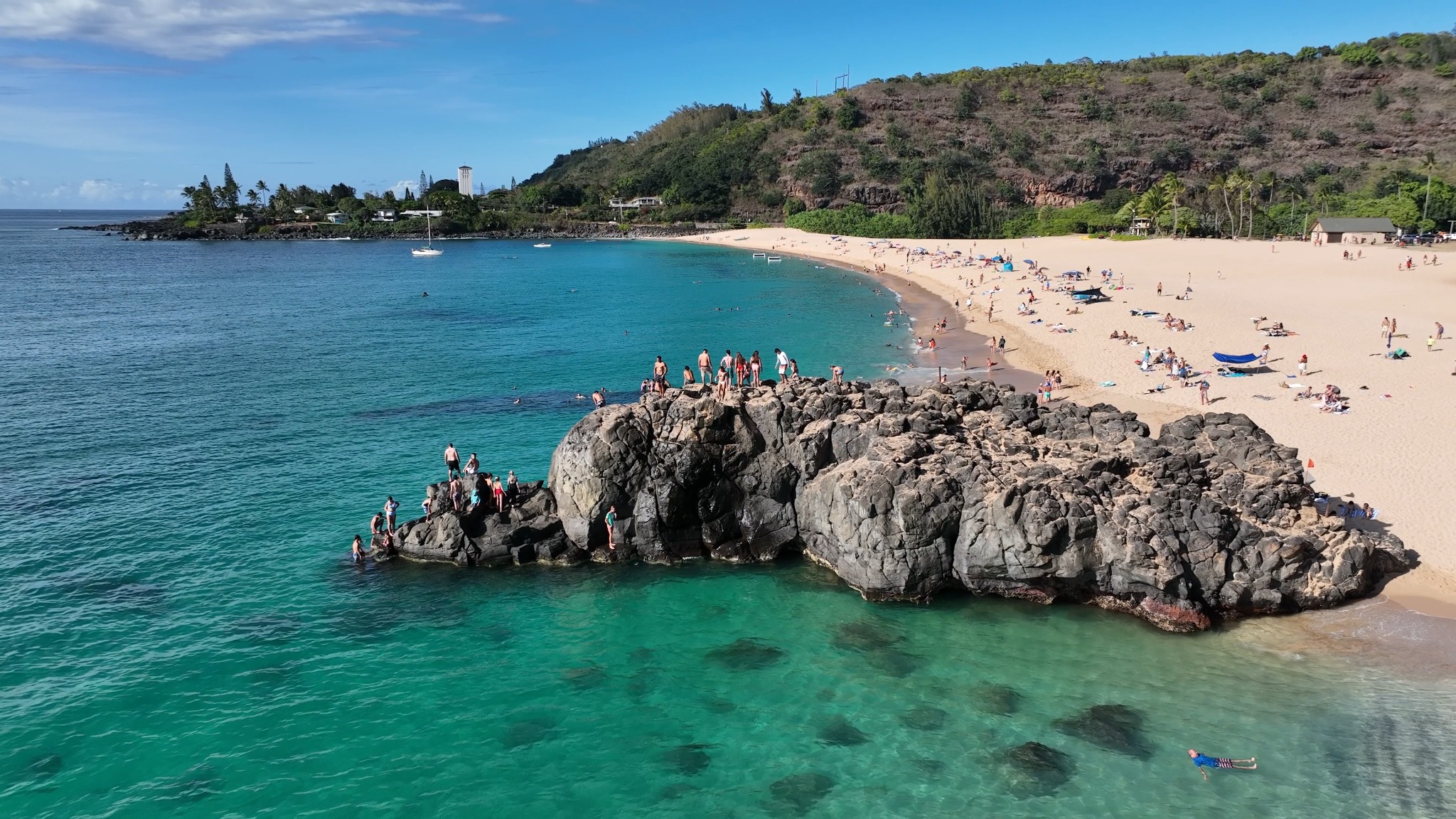
Two seasons, many local climates
Hawaiʻi stays warm at the coast year-round. May–October is generally the warmer summer season; November–April is generally cooler and wetter. Rainfall varies much more between locations than a single island forecast suggests. Windward slopes collect moisture from trade winds, while many leeward areas are drier. Higher elevations can be much colder than the beach.
A rainy morning in one town does not describe every coastline. Look at the forecast for your actual stop, particularly before a mountain drive or hike. Pack light clothing, sun protection, a light rain layer and warmer layers for higher elevations. Hawaiʻi Tourism Authority weather guide · NWS climate overview.
| When | Typical pattern | How to plan |
|---|---|---|
| January–February | Cooler, wetter-season weather; winter north and west swells. | Start by checking south-shore conditions for a beach day. Watch big surf from well back on shore; keep museum or food stops available. |
| March–April | Still within the wetter season; winter swells can continue. | Keep plans flexible around rain. Do not assume a spring date means calm northern beaches. |
| May–June | Warmer-season conditions develop; south swells become a consideration. | Check northern beaches when south shores are rough. Central Pacific hurricane season begins June 1. |
| July–August | Warm-season weather, trade winds and potential south swells. | Plan shade and water breaks. Check wind-exposed eastern beaches and the tropical outlook. |
| September–October | Summer conditions transition toward winter; tropical season continues. | Keep both north- and south-shore options, then choose using that day’s surf forecast. |
| November–December | Wetter-season conditions and larger northern swells return. | Choose lifeguarded beaches using current conditions. Hurricane season formally ends November 30. |
Seasonal planning suggestions based on Hawaiʻi Ocean Safety’s surf seasons and NWS marine guidance. A storm can override these patterns.
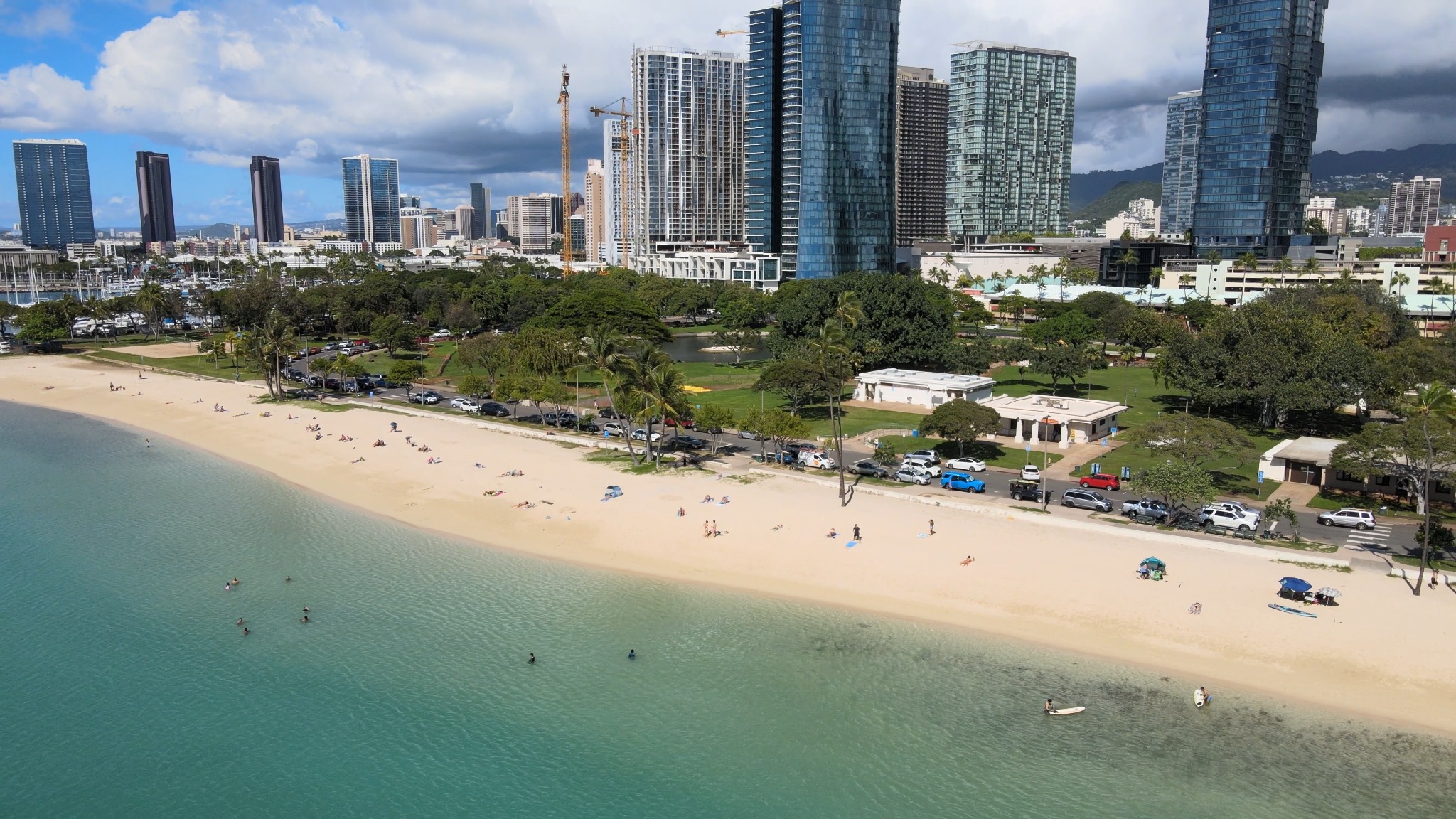
Which shores should you consider?
North-facing: Often a starting point for calmer conditions in summer. In winter, major swells can make northern beaches dangerous for swimming. South-facing: Often smaller surf in winter, but summer swells can bring powerful waves. East-facing: Trade winds can create rough water in either season. West-facing: Northern swells can wrap around, especially in winter. “Leeward” does not mean protected from surf.
Use the island guides to shortlist places, then check the surf forecast and Ocean Safety. Ask the lifeguard about that beach before entering. Do not use a sunny sky, other swimmers or a calm-looking photograph as evidence of safe water.
On Oʻahu, the west is generally drier than the windward east, and North Shore waves often subside in summer. That makes it useful to compare more than one side when planning a day, while keeping access and ocean conditions separate from sunshine. Oʻahu regional weather.
Hurricane season: what visitors should do
The Central Pacific hurricane season runs June 1–November 30. A storm’s center does not have to cross an island to affect wind, rain or surf. Use the National Hurricane Center and Central Pacific advisories and NWS Honolulu, rather than relying on an old forecast image or a storm’s category alone.
A hurricane watch means hurricane conditions are possible; a warning means they are expected. Watches are normally issued 48 hours before anticipated tropical-storm-force winds, and warnings 36 hours before, so preparations can be completed. Read the exact area and instructions in each advisory. Official watch and warning definitions.
Follow county and accommodation instructions. Confirm flights, boat tours, parks and events directly. During warnings or closures, changing shores is not a substitute for following instructions. Avoid floodwater and closed roads, and leave stream crossings or waterfall hikes for another day when heavy rain threatens. Keep a charged phone, essential medicines and your lodging’s emergency plan handy. NWS flood safety.
What events are happening when you visit?
Start with the dated events calendar for concerts, UH home games, cultural performances, markets and festivals. Use your vacation dates to narrow the choices, or explore seasonal celebrations. Only announced or recently verified occurrences appear; a festival’s usual season is not confirmation of next year’s date.
For an outdoor event, check the organizer again on the day. Rain, wind or a closure may change the plan after a listing was verified. A ticket link or calendar entry does not mean an event has been cleared to proceed during a storm.